

URBAN TALES: THE INVISIBLE BOUNDARIES OF KNOWLEDGE
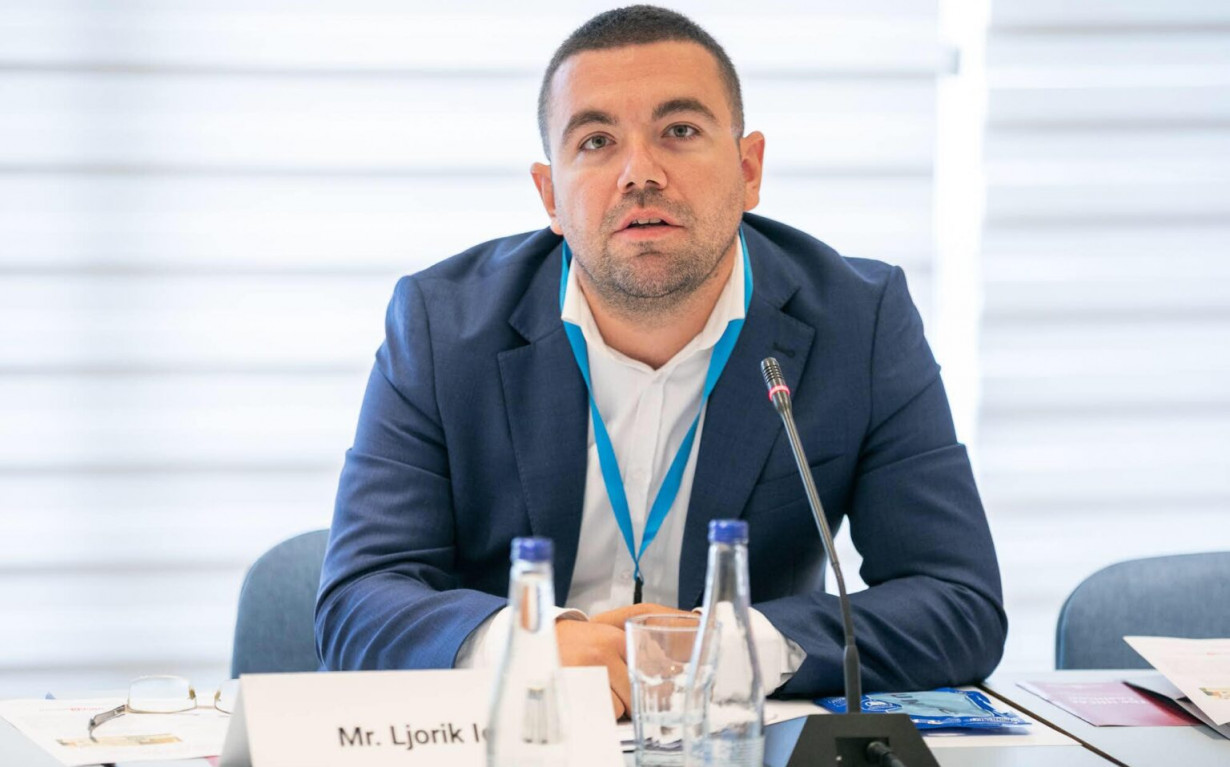
By Lorik Idrizi
In this campaign season, without intending to excuse politics—which certainly carries a large share of responsibility for societal stagnation—it must be acknowledged that not everything is in its hands. Politics does not hold all the solutions, nor can it bear alone the hopes for change. Many problems in North Macedonia are more social than political.
We often criticize political parties for clientelist hiring used to secure votes, yet we rarely discuss why citizens so eagerly seek positions in public administration.
It is striking that many young people, even those with master’s degrees or ambitions for a doctorate, still dream of working in the administration. This happens at a time when a simple search on social media reveals dozens of scholarship opportunities, exchange programs, or study mobility abroad. In the era of Facebook and algorithms, the issue is not access but the aspiration—the curiosity and drive to go abroad, engage with global knowledge, and then bring that spark back home to fuel social change.
Nothing will change without diversifying knowledge. Beyond programs like Erasmus, many other international opportunities remain underutilized—not because young people lack the skills to meet technical requirements, but because the ambition, curiosity, and passion to embrace these challenges are missing.
Knowledge and its mobility—often measured through tests like PISA and the concept of universal knowledge without borders—require young people who can actively apply what they know in any context, rather than confining it to narrow or provincial interpretations.
Any society that does not engage with the outside world through mobility programs and academic exchanges remains trapped in improvisation. True change requires more than politics or law reform. It calls for a dissonant youth energy, composed of individuals with real dreams, willing to challenge the status quo through knowledge, courage, and action.
This text was developed within the framework of the project “Representation for Inclusive Development,” financially supported by the Government of Switzerland through the Civica Mobilitas program. The content of this text is the sole responsibility of the Forum for Reasonable Policies, IOHN, and BIRC and does not in any way reflect the views of the Government of Switzerland, Civica Mobilitas, or its implementing organizations.